
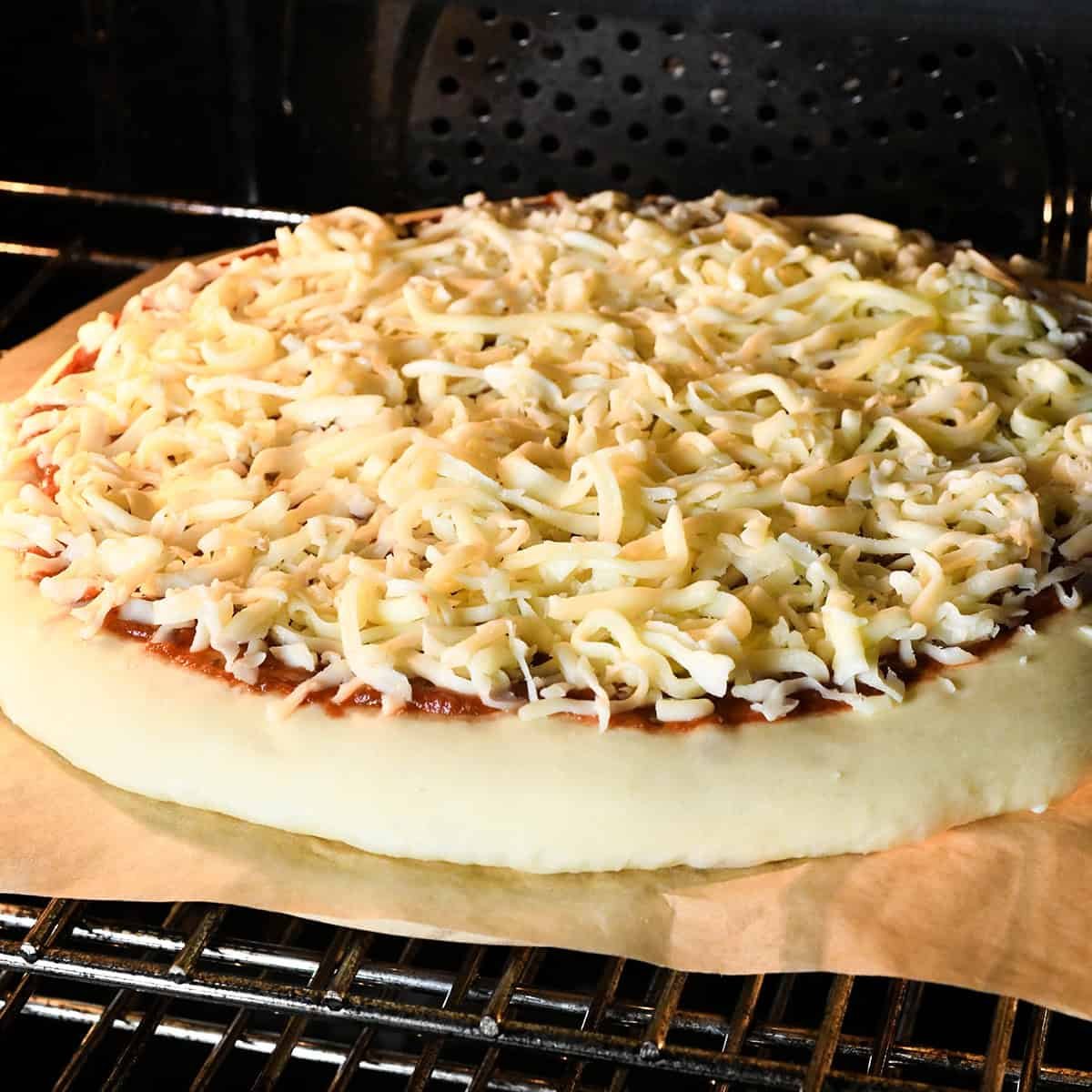
There’s a certain magic to homemade pizza. It’s a project that transforms simple pantry staples into a bubbling, crispy, and deeply satisfying meal. The promise of a pie that rivals your favorite pizzeria is a powerful motivator, but the path from the mixing bowl to the dinner plate is often paved with soggy centers and burnt edges.
However, with a few professional secrets and a little patience, that perfect pizza is not just a dream. It’s a tangible, delicious reality you can achieve in your own kitchen. This guide breaks down the art of homemade pizza, from crafting the ultimate dough to mastering a topping philosophy that will make your creation unforgettable.
The Foundation: Crafting Your Perfect Dough
The journey to a great pizza begins long before the toppings are even considered. It starts with the dough. A truly exceptional crust strikes a balance between a crispy exterior and a chewy, airy interior . This texture begins with the quality of your ingredients and is perfected through a process of patience.
The Ingredients for a Great Start
While a simple recipe can get you started, the choice of flour is a critical decision. Opt for a flour with a higher protein content, commonly sold as bread flour. This creates a stronger gluten structure, crucial for achieving that iconic crisp edge and satisfying chew .
A classic dough recipe often includes room temperature water, active dry yeast, bread flour, olive oil, salt, and a touch of honey to feed the yeast and add a subtle flavor . For a simpler, quicker alternative, a blend of self-rising flour and Greek yogurt can create a surprisingly good crust with minimal effort .
The Secret to Superior Flavor: Cold Fermentation
The most reliable way to elevate your crust from good to exceptional is to embrace the cold fermentation process. Instead of letting your dough rise in a warm spot for an hour, place it in the fridge for an extended period. This slow fermentation, lasting anywhere from 24 to 72 hours, allows the yeast to work its magic . It develops complex, tangy flavors and creates a more open, airy crumb structure. Think of it like a fine sourdough; time is the secret ingredient . After this long ferment, you can punch down the dough, divide it into individual balls, and allow them to proof for another 2 hours or overnight for the best results .
The Perfect Bake: Heat and Tools
When it’s time to bake, the heat and the surface matter immensely. Preheat your oven to its highest possible setting, typically 475°F to 550°F, for at least 30 minutes to an hour .
A pizza stone or baking steel is essential for a crispy bottom, as they store and transfer intense heat to the dough’s underside, instantly setting the crust and preventing sogginess . Using a pizza peel to slide the assembled pie onto the hot surface is the safest and most professional way to launch your pizza into the oven . For those with a dedicated pizza oven like an Ooni, the high heat will deliver an even more authentic, charred crisp .
Building a Better Pie: The Philosophy of Toppings
The dough is your canvas; the toppings are your art. But a masterpiece is not created by throwing on every ingredient in sight. Great pizza toppings follow a formula.
The 1-2-3 Rule for Simplicity
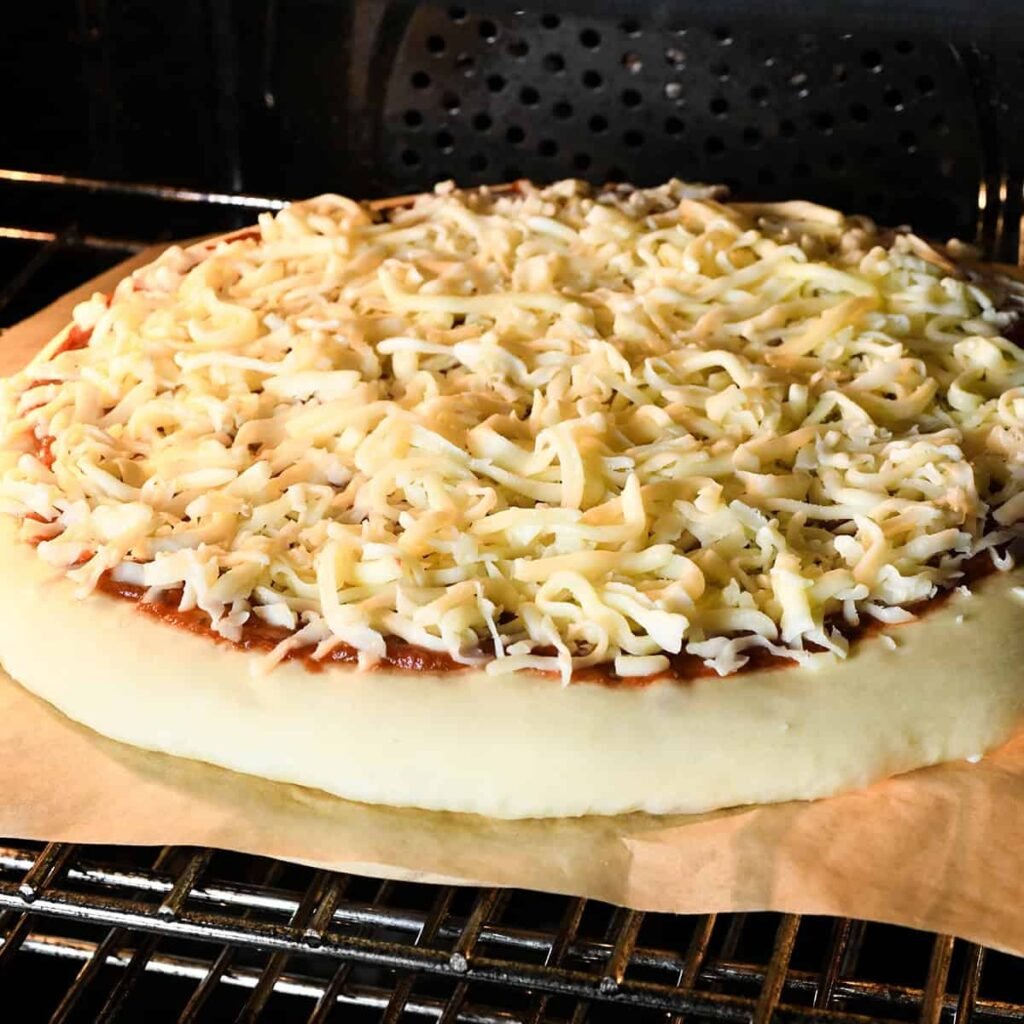
A simple, foolproof approach to topping your pizza is to remember the 1-2-3 rule: one cup of sauce, two cups of mozzarella cheese, and three of your favorite toppings . This guarantees a well-proportioned pie where no single element overpowers the others.
Five Rules for Professional Topping Combinations
To create a truly memorable flavor profile, consider the principles used by professional pizza chefs :
- Hit All Five Tastes: Great pizzas engage sweet, sour, salty, bitter, and umami. If your pizza is missing a dimension, it might taste flat. For instance, salty cured meats pair beautifully with sweet caramelized onions or tangy pickled vegetables .
- Balance is Key: A fatty, rich topping like sausage benefits from a sour element (like pickled onions) to cleanse the palate, while a creamy base can be elevated by something crunchy (like toasted nuts) .
- Draw Inspiration: Think about flavor combinations you love from other cuisines. The sweet, heat, and savory profile of a pepperoni, jalapeño, and pineapple pizza is a perfect example of deliberate contrast . Don’t be afraid to translate a favorite dish from a different cuisine onto a pizza.
- Aim for Contrast: Actively seek to contrast flavors and textures. A sweet sauce gains excitement from salty anchovies, and a beige-looking pizza (potato and mushroom) comes to life with a pop of green from fresh arugula or basil .
- Less is More: The biggest mistake home cooks make is adding too many toppings. Stick to 3-4 quality ingredients to ensure each one shines and the pizza cooks evenly .
Troubleshooting Common Pizza Pitfalls
Even experienced cooks face challenges. Here are some common issues and how to fix them:
- Soggy Crust: This is a classic problem. The solution is a combination of high heat and controlled moisture. Preheat your stone or steel thoroughly. Use a very thin layer of sauce, and pat wet toppings like mushrooms or bell peppers dry with a paper towel before adding them .
- Tough or Cracker-like Crust: This often means the dough was overworked or the bake was too long at a low temperature. A long, cold fermentation helps relax the gluten for a better texture. When shaping the dough, use your fingertips to press it out gently. Never use a rolling pin, as it crushes the precious air bubbles you’ve worked so hard to create .
- Bland Flavor: Your dough needs salt to control the yeast and strengthen the gluten, and your sauce deserves high-quality ingredients. A simple sauce made from good canned tomatoes, a pinch of salt, and a drizzle of olive oil can be far more flavorful than a complex, cooked-down sauce .
- Burnt Crust: If the bottom is burning before the top cooks, there’s likely too much direct heat from below. Move your baking surface higher in the oven or adjust the heat. Also, avoid using an excess of flour on your pizza peel, as it can scorch .
FAQ’s
Q: Can I make pizza dough without a stand mixer?
A: Absolutely! Kneading by hand is a great way to feel the dough’s texture and avoid overworking it . Simply mix the ingredients in a bowl, turn it out onto a lightly floured surface, and knead for 5-8 minutes until it’s smooth and elastic.
Q: Can I make pizza without an oven?
A: Yes, you can! Chef Jamie Oliver has a popular recipe for a pan pizza that’s cooked entirely on the stovetop. It uses a simple dough and cooks in a covered pan in just a few minutes per side .
Q: What’s the best cheese for pizza?
A: Low-moisture mozzarella is the gold standard. It melts beautifully and has a great stretch without making the pizza watery. You can combine it with other cheeses like provolone, fontina, or a sprinkle of Parmesan for added flavor .
Q: What’s the deal with pineapple on pizza?
A: It’s a controversial but beloved topping. The key to success is balance. The sweet, juicy pineapple is best paired with spicy and savory elements, like jalapeños and pepperoni, to create a perfect sweet-heat-savory trifecta .
Q: My pizza dough is too tough. Can it be saved?
A: Yes. If your dough is tough and difficult to stretch, it has likely been overworked. You can try dividing it into smaller pieces and letting it rest for a bit longer. This allows the gluten to relax. If that doesn’t work, a splash of water gently reincorporated can also help