
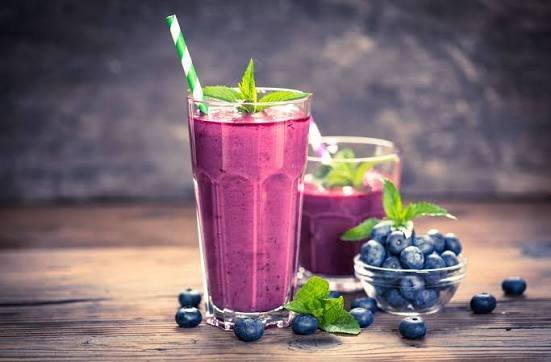
Juicing has transformed from a niche health fad into a lifestyle staple for people of all ages. Whether you’re looking to pack more nutrients into your day, simply enjoy a refreshing beverage, or experiment with vibrant flavors, the world of juicing offers endless possibilities. This guide is your all-in-one resource for creating delicious, healthy, and well-designed juices at home, from foundational techniques to classic recipes and creative twists.
Getting Started: The Juice Hub Philosophy
Juicing is an art as much as it is a science. While whole fruits and vegetables are ideal for their fiber content, juicing offers a powerful way to concentrate vitamins, minerals, and phytonutrients into a single, easily consumable glass . The key to a successful juice is balance: understanding how to layer flavors to achieve a drink that’s complex, satisfying, and nutritious.
Mastering the basics will elevate your juice from a simple mix to a culinary experience. Here’s the foolproof formula for a perfectly balanced glass:
The 3:1 Formula for Flavor and Nutrition
Think of a great juice like a well-structured song: it needs a base, some highs, and a little something unexpected. A simple ratio to keep in mind is three parts vegetables to one part fruit . This approach ensures your juice is nutrient-dense (thanks to the veggies) with just enough natural sweetness to make it delicious without causing a spike in your blood sugar .
- The Earthy Base (Your 3 Parts): This forms the bulk of your juice. Choose mild, water-rich vegetables like cucumber and celery for a hydrating base, or go for more robust options like carrots, beets, and tomatoes for a deeper flavor and color. Don’t be afraid to use leafy greens like spinach and kale; simply roll them into a tight ball or “sandwich” them between harder ingredients when feeding them into the juicer to extract the most juice .
- The Sweet High (Your 1 Part): This is where you add natural sweetness and fruity flavor. Apples are a classic choice for their high juice yield and neutral, refreshing taste, making them a perfect partner for almost any vegetable . Pineapple, oranges, and pears are also excellent sweeteners that can bring a tropical or bright profile to your drink.
- The Zingy Accent: This is the element that takes your juice from good to great. A thumb-sized piece of ginger, a squeeze of lemon or lime, or even a pinch of cayenne pepper can add a bright, sharp note that balances the sweetness and makes the flavors “pop” . As one source notes, “the sharp taste can also be used instead of salt to enhance other flavours” .
Classic Juices: Styles That Never Go Out of Fashion
Certain juice profiles have stood the test of time for good reason. They are simple, delicious, and perfectly capture the essence of their ingredients. Here are three classic styles that form the foundation of any “Ultimate Juice Hub.”
1. The Sweet & Earthy Fusion: Carrot, Apple & Ginger
This is a quintessential juice for good reason. The sweetness of the apple beautifully counteracts the earthy taste of the carrot, while the ginger provides a warm, zesty kick that awakens the palate .
- Ingredients:
- 3 large carrots
- 2 apples
- 1-inch piece of fresh ginger
- Method: Simply wash all of the ingredients (there’s no need to peel the carrots or apples unless you prefer). Chop them into chunks small enough to fit through the chute of your juicer and process . Serve immediately for the best flavor.
2. The Hydrating Classic: Cucumber & Mint Cooler
This is the ultimate thirst-quencher, perfect for a hot day. Cucumber is incredibly hydrating and provides a clean, fresh canvas for the invigorating flavor of mint .
- Ingredients:
- 1 large cucumber
- A generous handful of fresh mint leaves
- 1 tablespoon of lime or lemon juice
- Method: Peel and chop the cucumber. Juice it along with the fresh mint leaves. Stir in the lime juice and serve over ice for a crisp, revitalizing drink .
3. The Zesty “Ade”: Real Lemonade & Lime Soda
An “ade” is a simple, timeless drink that highlights a single, vibrant citrus. Far removed from commercial versions, a real lemonade or fresh lime soda is “cool and refreshing and actually tastes of lemons” .
- Ingredients (for a French-style Citron Pressé):
- Juice of 1 lemon
- A small jug of iced water
- Sugar, to taste
- Method: Squeeze the juice of the lemon into a tall glass. Serve it with a separate small jug of iced water and a dish of sugar, allowing each person to customize their drink to their perfect balance of sweet and tart .
Beyond the Basics: Tips for the Ultimate Juice
Becoming a true “ultimate juice hub” master means knowing the tricks of the trade. Here are some pro tips to ensure every glass is as good as it can be.
- Juice Greens Like a Pro: When juicing leafy greens like spinach or kale, always pack them in with a denser vegetable like cucumber or apple. If you put them through the juicer on their own, they tend to fly around and end up in the waste basket. “Sandwiching” them ensures they are properly pulverized and their nutrients extracted .
- Don’t Peel Everything: For many fruits and vegetables, the peel is packed with nutrients. As long as you wash the produce thoroughly, you can put whole apples, pears, and carrots through the juicer. However, be sure to peel citrus fruits like oranges and lemons (the rind is bitter), as well as tough skins like pineapple and avocado .
- The Power of Citrus: When juicing lemons or limes, you don’t necessarily need to peel them. If the fruit is unwaxed, you can simply slice the outer skin off, leaving the pith. The pith contains beneficial bioflavonoids and adds a pleasant, slightly bitter note to the juice .
- Spice It Up: A dash of spice can transform your juice. Turmeric adds an earthy, anti-inflammatory punch, while a pinch of chili flakes or cayenne pepper can give a spicy tomato or green juice a fantastic kick .
- Embrace the Savory: Juices don’t always have to be sweet. A spicy tomato juice or a savory cucumber drink with yogurt and herbs can be a satisfying, meal-adjacent beverage, often serving as a perfect afternoon pick-me-up .
Storing Your Creations
Freshly made juice is best consumed immediately to enjoy its maximum nutritional value and flavor. However, if you need to store it:
- Keep it in an airtight container, filled to the very brim to minimize oxygen exposure.
- Store it in the fridge or a cool, dark place. The darker it is, the better it can protect light-sensitive nutrients .
- It will generally stay fresh for up to three days in the refrigerator .
- You can also freeze juice for up to 16 months. Freezing it in ice cube trays is a brilliant way to use small amounts later for smoothies or other drinks .
Frequently Asked Questions (FAQs)
Q: Is juicing healthier than eating whole fruits and vegetables?
A: No, juicing is not healthier. While juice provides a concentrated dose of vitamins, minerals, and phytonutrients, whole fruits and vegetables also contain beneficial dietary fiber, which is largely lost during the juicing process. Fiber aids in digestion and helps you feel full . Blending (making smoothies) is a better alternative for retaining fiber.
Q: Can juicing help me lose weight?
A: Some people use juice as part of a weight-loss plan, often through a “juice cleanse.” However, these cleanses are not a balanced diet and are not scientifically proven to remove toxins from the body. Any weight loss is likely to be temporary and may be gained back when you resume a normal diet .
Q: What’s the ideal ratio of fruits to vegetables in a juice?
A: To keep sugar content moderate and maximize nutrients, a good target is 80% vegetables to 20% fruit. This usually translates to about three parts vegetables to one part fruit .
Q: Which juicer is best for beginners?
A: There are two main types: centrifugal juicers (which are faster and cheaper) and masticating juicers (which are slower but extract more juice and nutrients, especially from leafy greens). For beginners, a good quality, easy-to-clean centrifugal juicer with a wide chute is often recommended .
Q: How can I make my green juice taste less “green”?
A: The key is to balance the earthy flavors of greens with sweet fruits. Apples are a perfect partner as they are sweet but not overpowering. For a more tropical flavor, you can also use pineapple or mango . Adding a squeeze of lemon or ginger can also help to brighten the flavor and cut through any bitterness .